
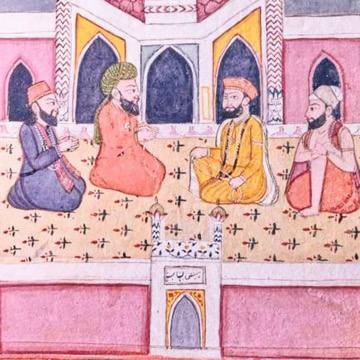
Sant Singh Muskeen Response
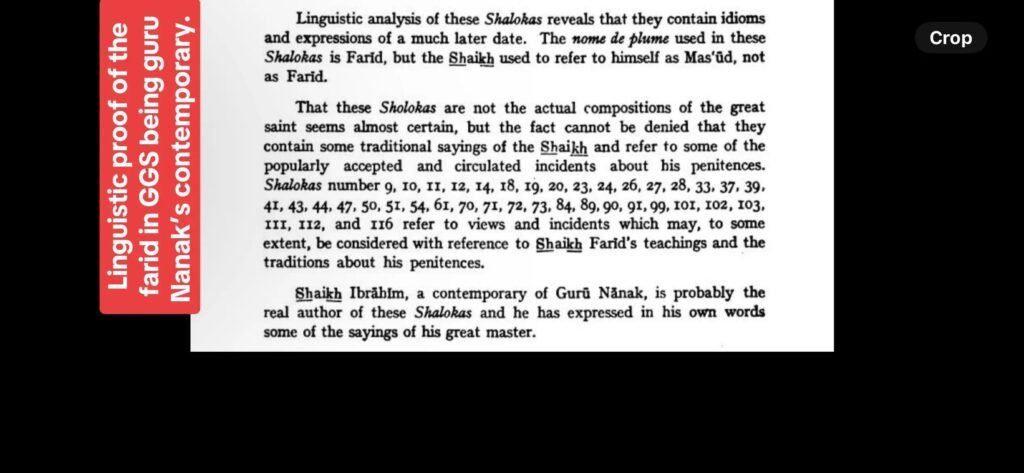
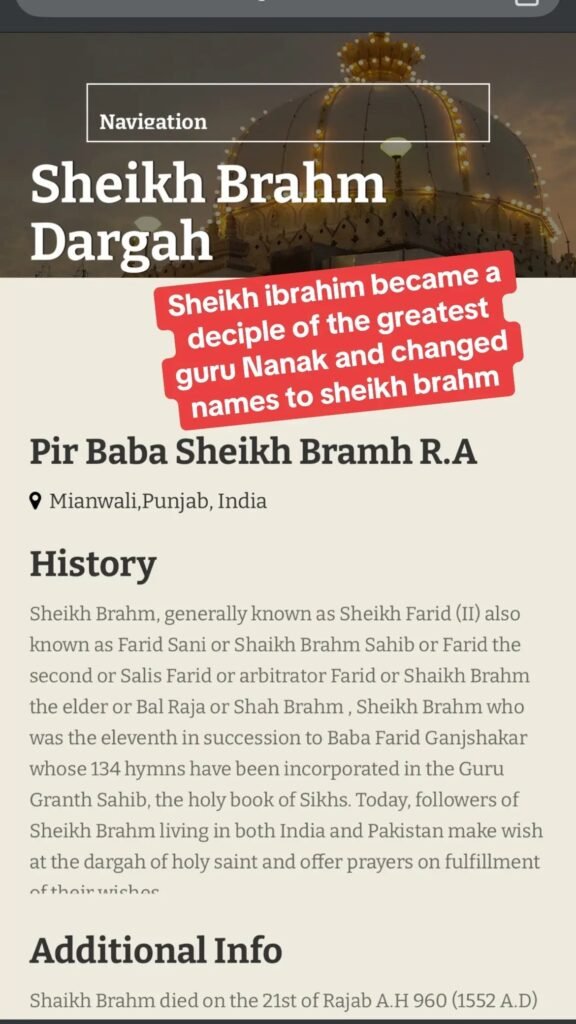
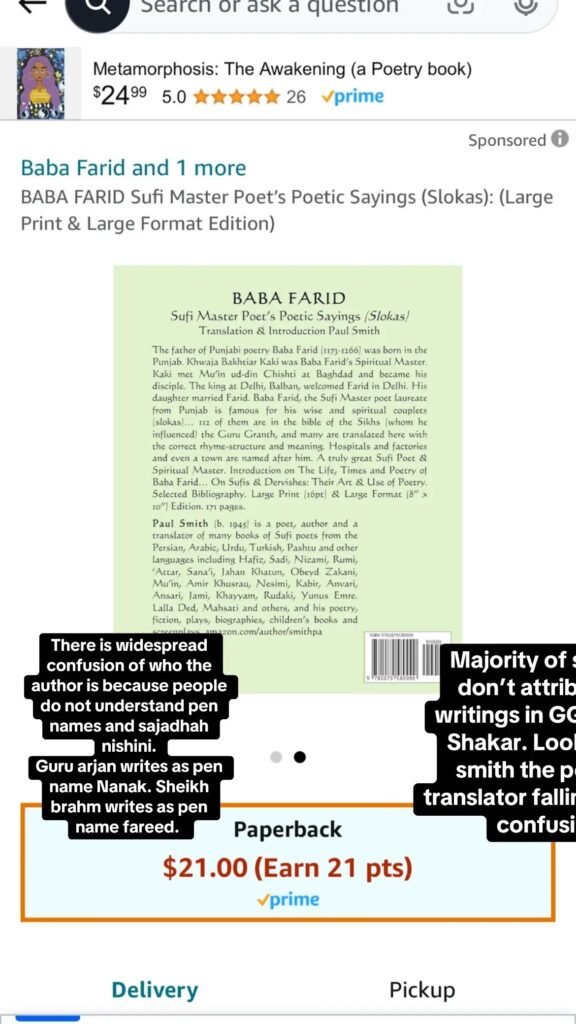
Farids own disciples explaining how it wasn’t the first but the 12th successor sheikh ibrahim who met guru Nanak and it’s his bani in sggs not the 1st farids.

TCA Response
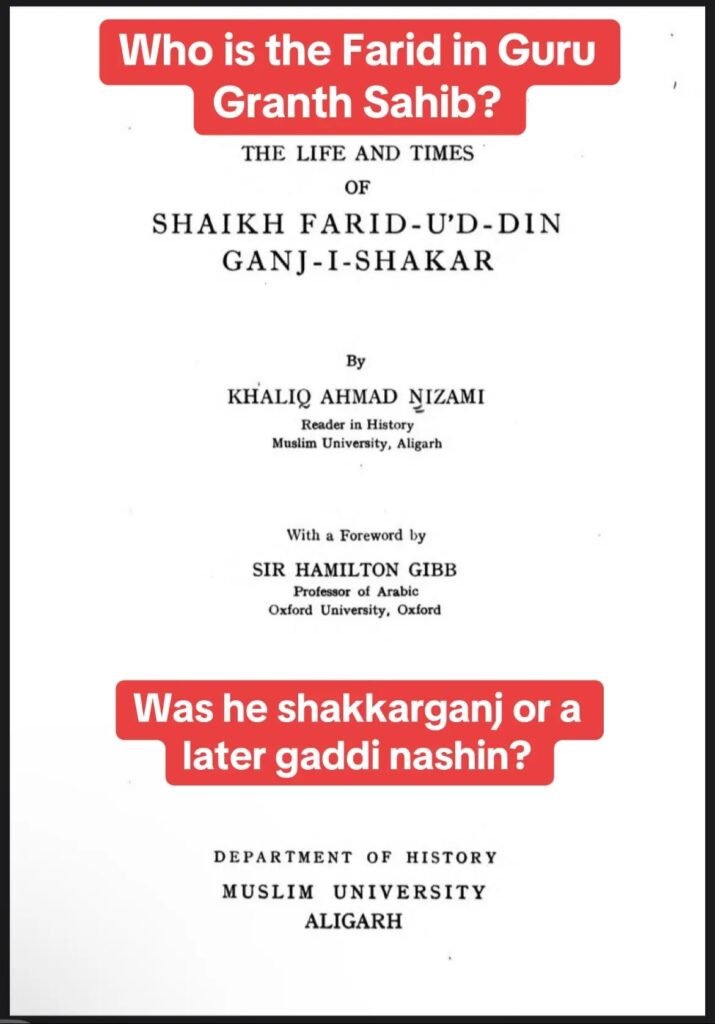
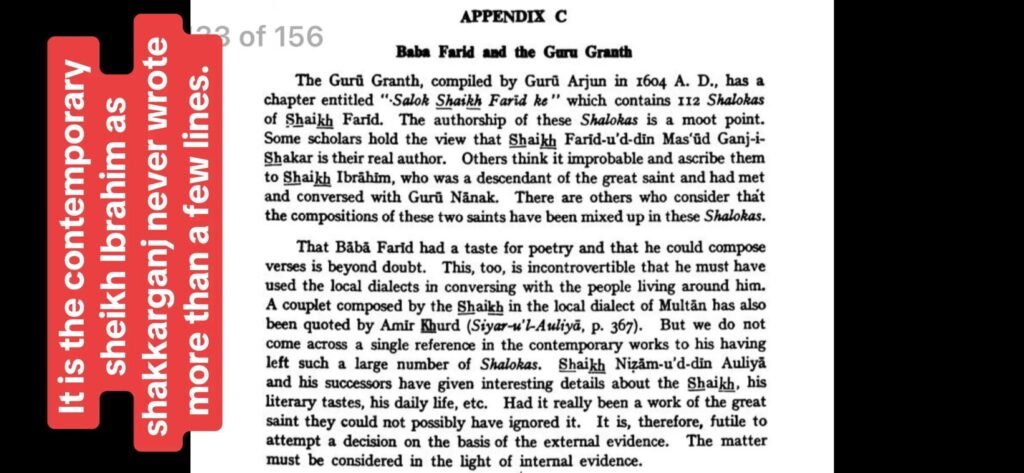
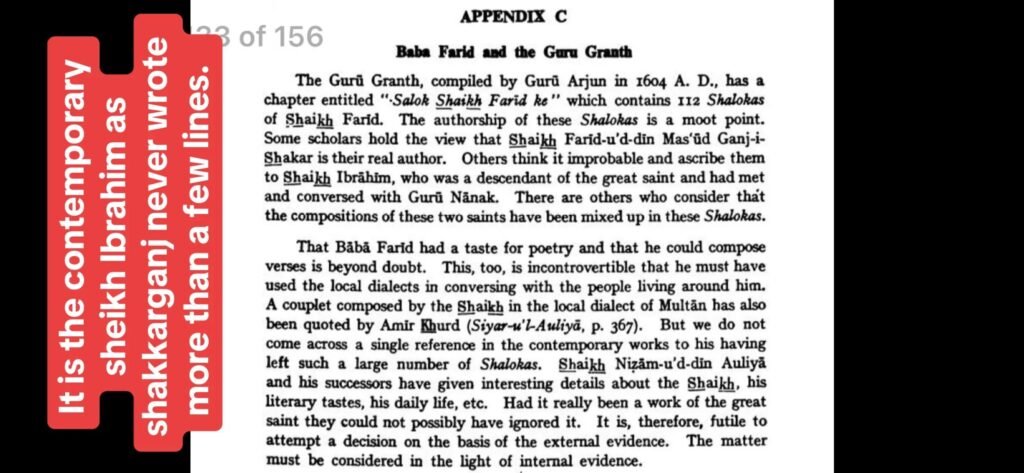
The provided materials highlight a historical debate over the true authorship of the “Salok Shaikh Farid ke” in the Guru Granth Sahib, ultimately arguing that the verses were likely composed by Shaikh Ibrahim rather than the original Sufi saint, Baba Farid Ganj-i-Shakar. Shaikh Ibrahim, also known as Sheikh Brahm, was a contemporary of Guru Nanak and served as a successor to Baba Farid’s spiritual seat. Scholars point to linguistic evidence, noting that the idioms and expressions in the Shalokas belong to a much later period and use the pen name “Farid,” whereas the original saint referred to himself as “Mas’ud”. Furthermore, contemporary historical records of Baba Farid’s life do not mention such a large collection of verses. The confusion among many translators and readers often stems from a lack of understanding regarding spiritual lineage practices; just as later Sikh Gurus wrote under the pen name “Nanak,” Shaikh Ibrahim likely authored these verses under the pen name “Farid,” using his own words to preserve the traditional teachings and sayings of his great master.
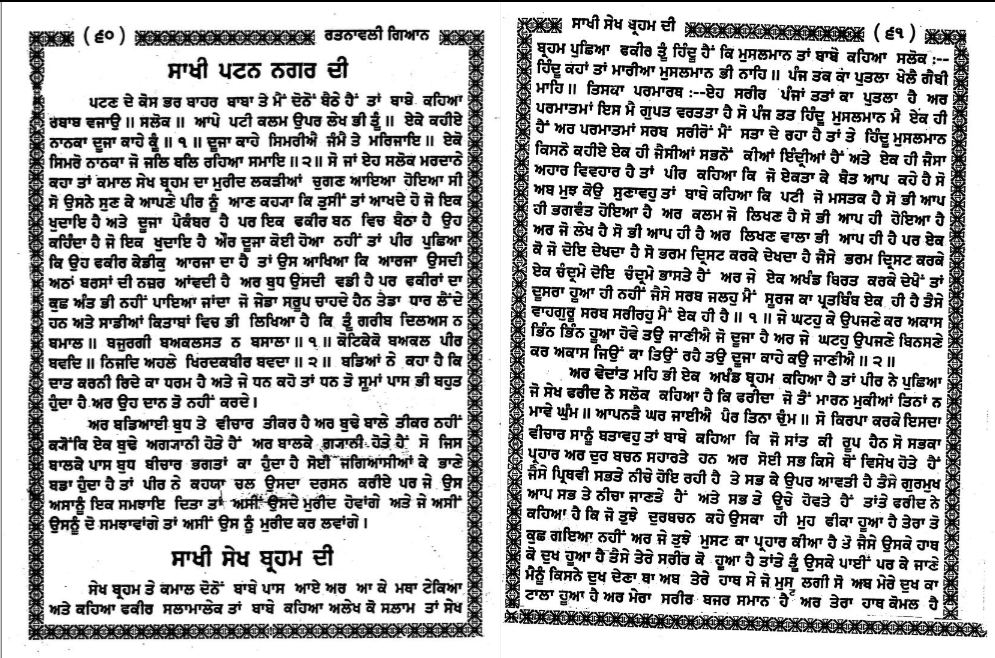
When Guru Nanak Dev Ji went to the city of Patan, where the lineage of Sheik Farid resided, he first met a student (murīd) of the current lineage holder, Sheik Brahm. The student was so impressed and quickly went back to tell Sheik Brahm, who responded that a non-Muslim couldn't be capable of a connection with the Divine. The puzzled student returned to Guru Nanak who responded with the following verse, explaining that partisanship is the epitome of dualistic thinking:
ਦੂਜਾ ਕਾਹੇ ਸਿਮਰੀਐ ਜੰਮੈ ਤੇ ਮਰ ਜਾਇ ॥
ਏਕੋ ਸਿਮਰੋ ਨਾਨਕਾ ਜਲ ਥਲ ਰਹਿਆ ਸਮਾਇ ॥
Why remember duality? By which one is reborn and dies again & again,
Nanak! Remember that Oneness! Which remains merged in all the water and earth.
ਦੋਹਰਾ ॥
ਸੁਨਹੁ ਤੁਮਾਰੋ ਪੀਰ ਜੋ ਅਬ ਲਗ ਦੂਜੋ ਚੀਨ ।
ਨਹੀਂ ਖੁਦਾਇ ਪਛਾਨ ਤਿਹ ਮਾਰਗ ਮਿਲਿਨਿ ਨ ਲੀਨ ।16।
Listen, your Pir has until this point only recognized duality,
He has not realized Khuda nor has he grasped the path
ਚੌਪਈ ।
ਸੇਵਹੁ ਏਕ ਹਦ ਦ੍ਵੈ ਖੋਇ । ਸਭਿ ਕੋ ਕਰਨਹਾਰ ਹੈ ਜੋਇ ।
ਏਕ ਖੁਦਾਇ ਰਵ੍ਯੋ ਸਭਿ ਮਾਂਹੀ । ਇਉਂ ਜਾਨੇ ਬਿਨ ਮਿਲਨ ਦੁਰਾਹੀ ।17।
Destroy the delimitations of duality, serve the One,
Who is the doer and creator of all,
The One Khuda is pervading within all,
Without recognizing this, meeting the Divine is difficult
ਮੁਸਲਮਾਨ ਨ ਹਿੰਦੂ ਕੋਊ । ਕਰਨਹਾਰ ਸਭਿ ਕੋ ਇਕ ਹੋਊ ।
ਪੱਖ੍ਯਬਾਦ ਮੈਂ ਉਰਝੇ ਜੋਈ । ਹੱਦਾਂ ਦੋਇ ਜਾਨਿ ਹੈਂ ਸੋਈ ।18
There is no Muslim or Hindu,
Everyone's creator is the One
Those who are entangled in partisanship,
They only see these two boxes.
Nanak Prakash (1824), author: the Great Poet Santokh Singh
Uttararadh, Chapter 33.
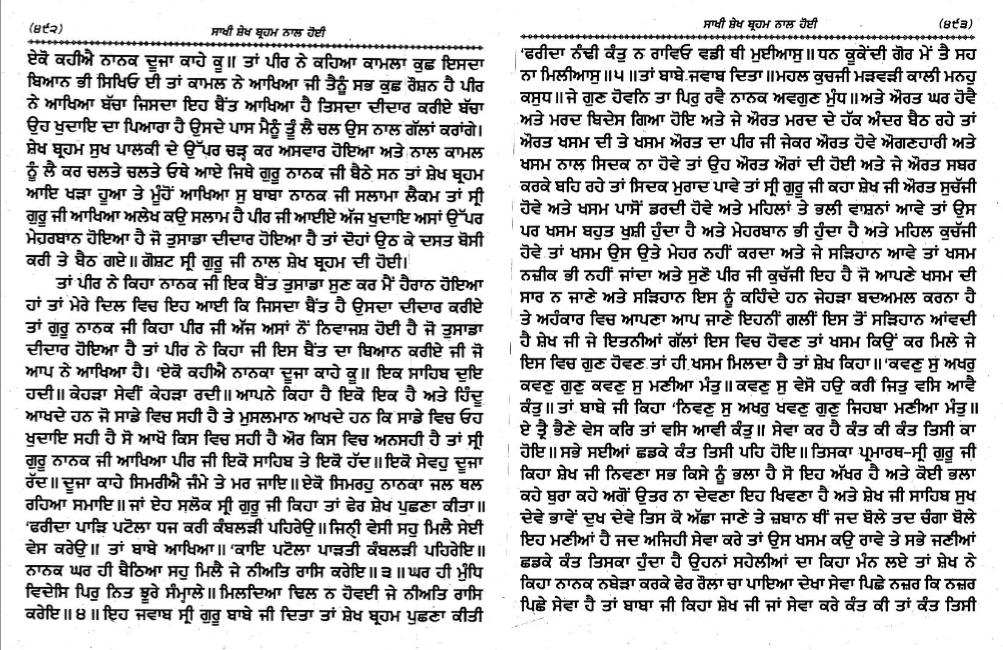
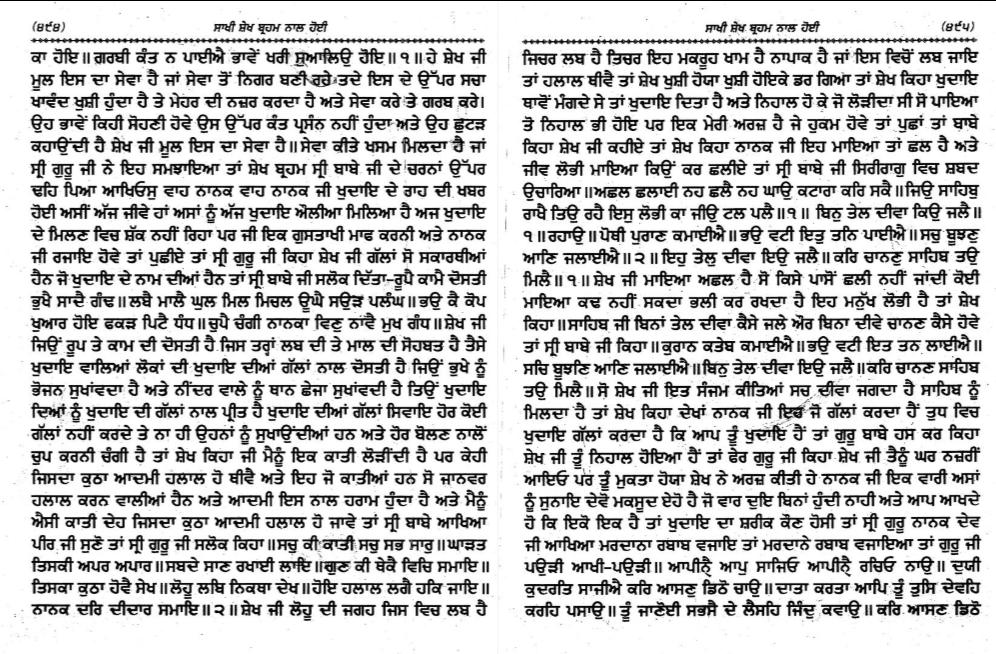
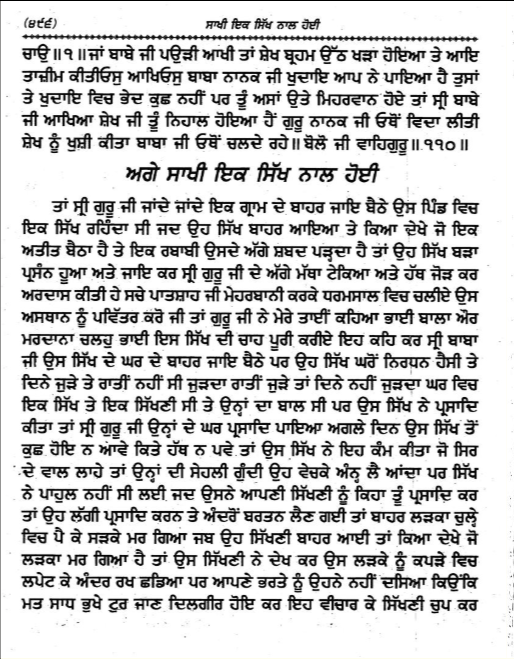
Bhai Bala Ji Janamsakhi
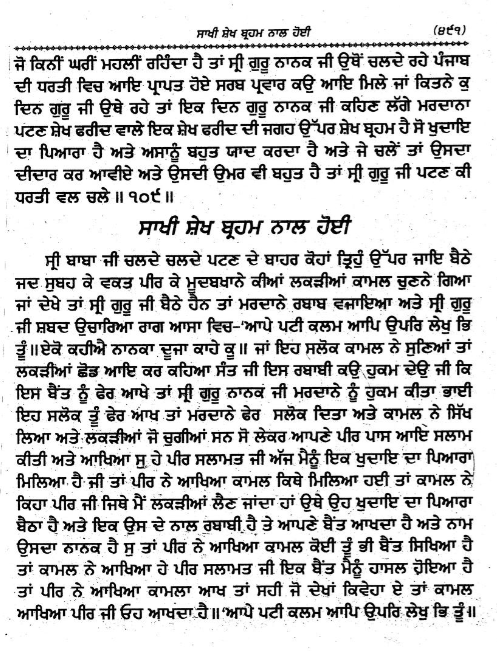
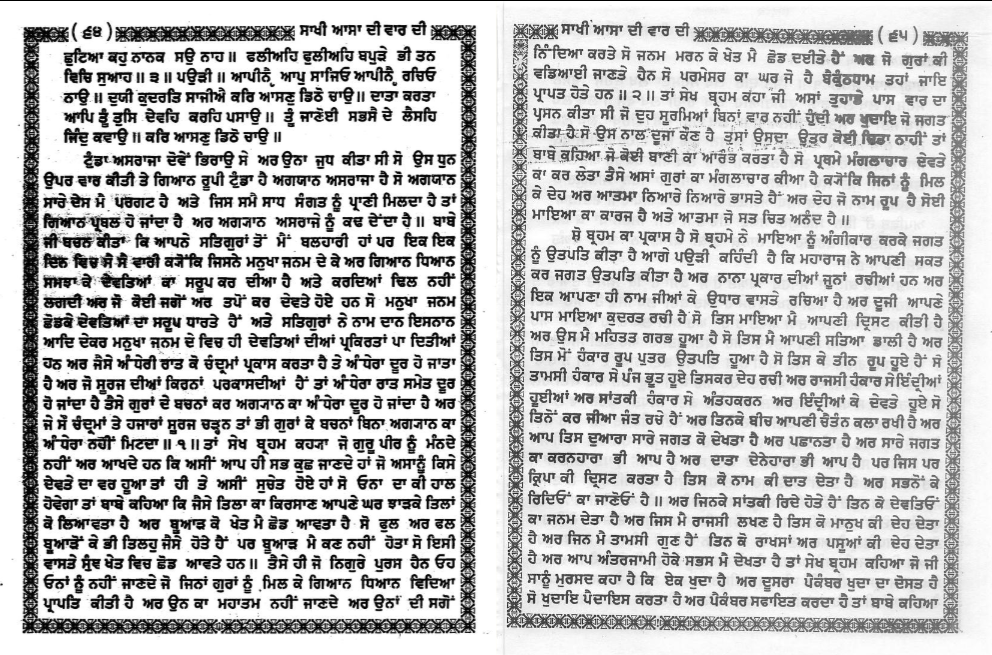
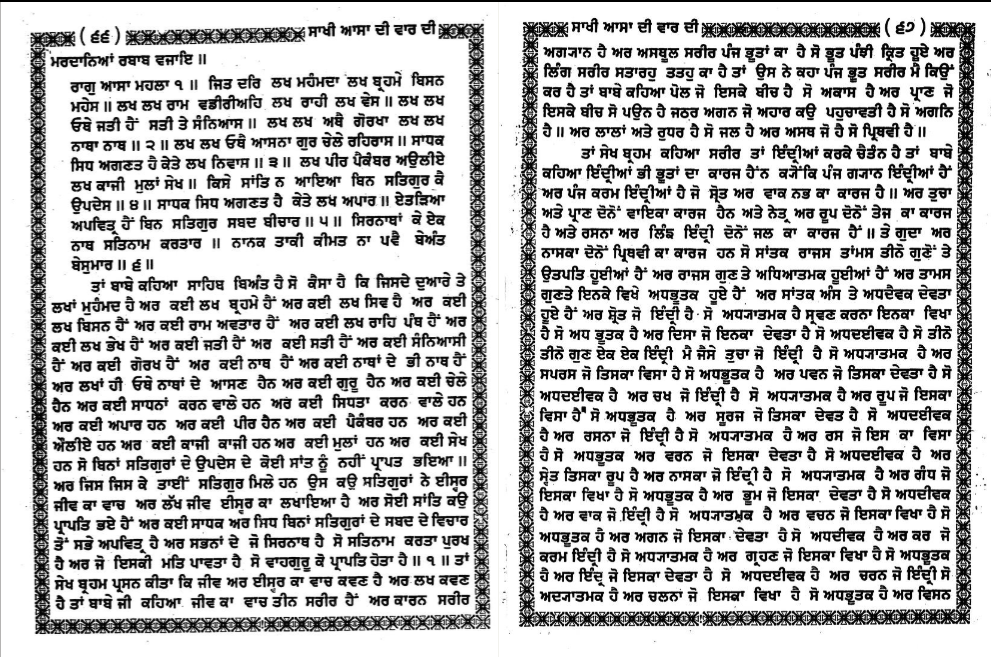
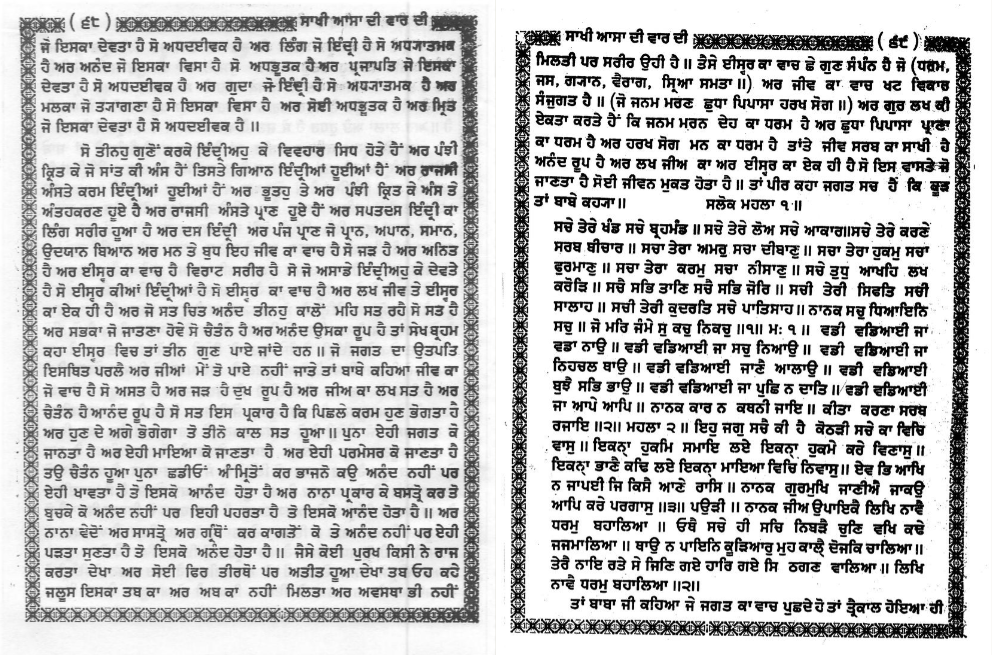
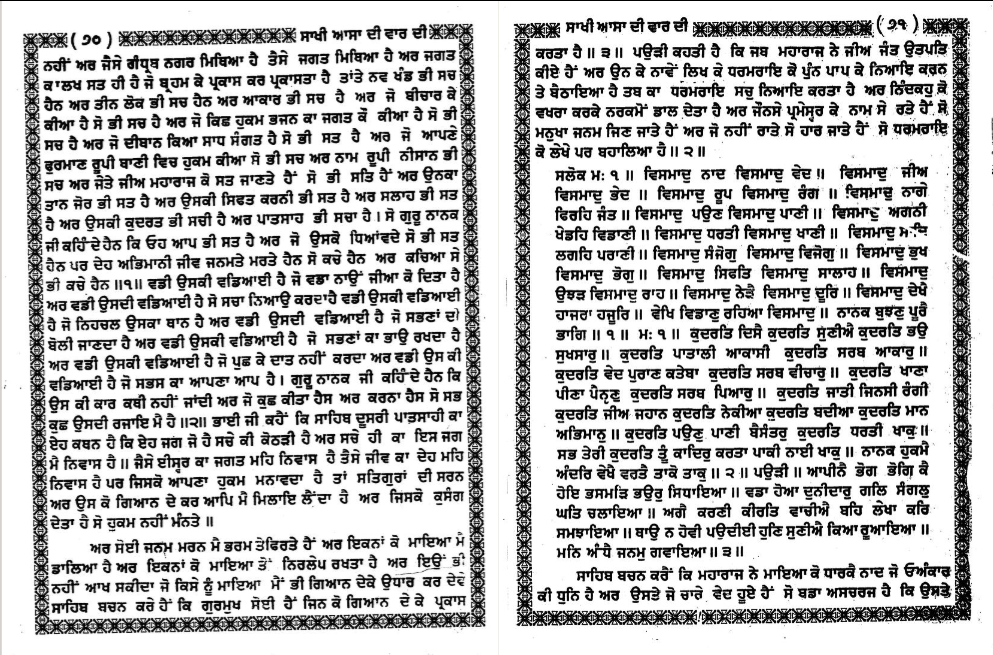
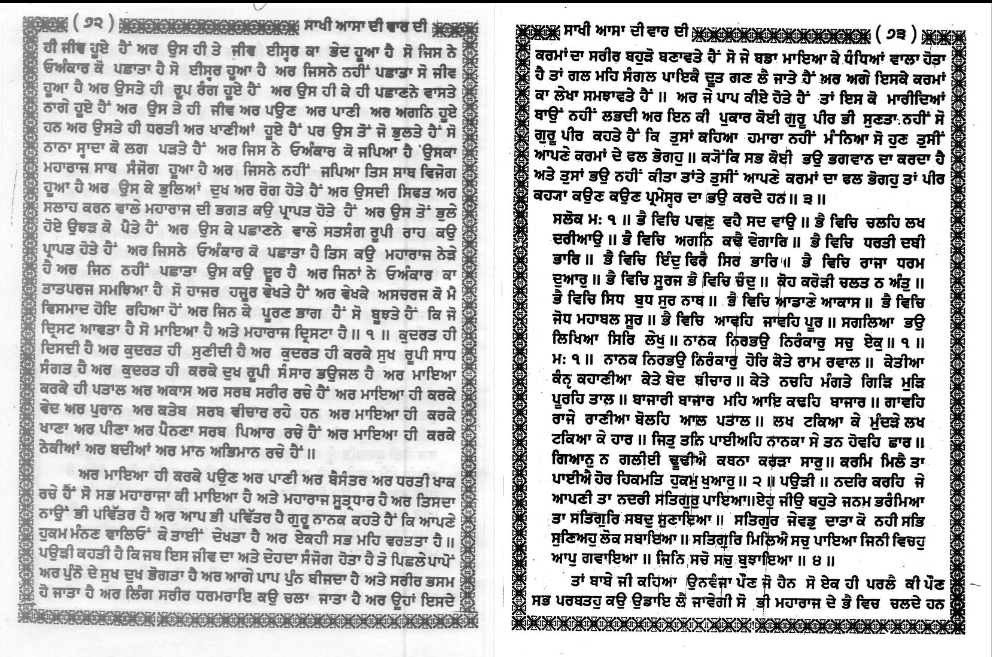
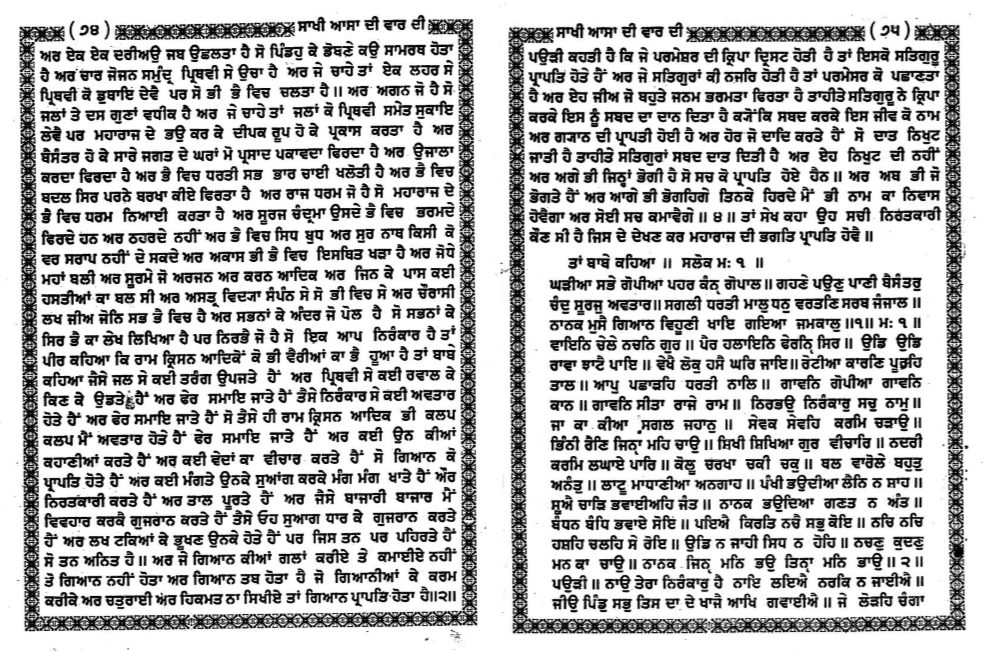
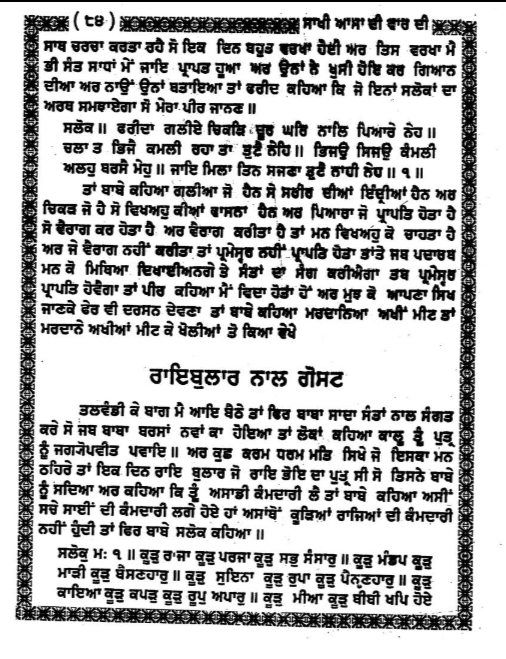
The actual encounter is sparked when Kamal, a disciple collecting firewood, hears Mardana playing the rabab while Guru Nanak recites a soul-stirring verse. Deeply moved, Kamal memorizes the verse and brings his master, the eminent Sufi saint Sheikh Brahm, to meet the Guru. When the two spiritual leaders sit down together, they engage in a profound dialogue known as a gost. Sheikh Brahm questions the Guru about the differing Hindu and Muslim perceptions of the Divine, to which Guru Nanak firmly asserts the absolute oneness of God. Using the poignant metaphor of a marriage, Guru Nanak explains that a soul can only unite with the Divine Husband through genuine humility, sweet speech, and selfless devotion, rather than arrogance or superficial beauty. He further illustrates that true spiritual enlightenment requires the “oil” of divine knowledge and virtuous actions to keep the soul’s lamp burning bright, a profound truth that leaves Sheikh Brahm deeply satisfied as they part ways.
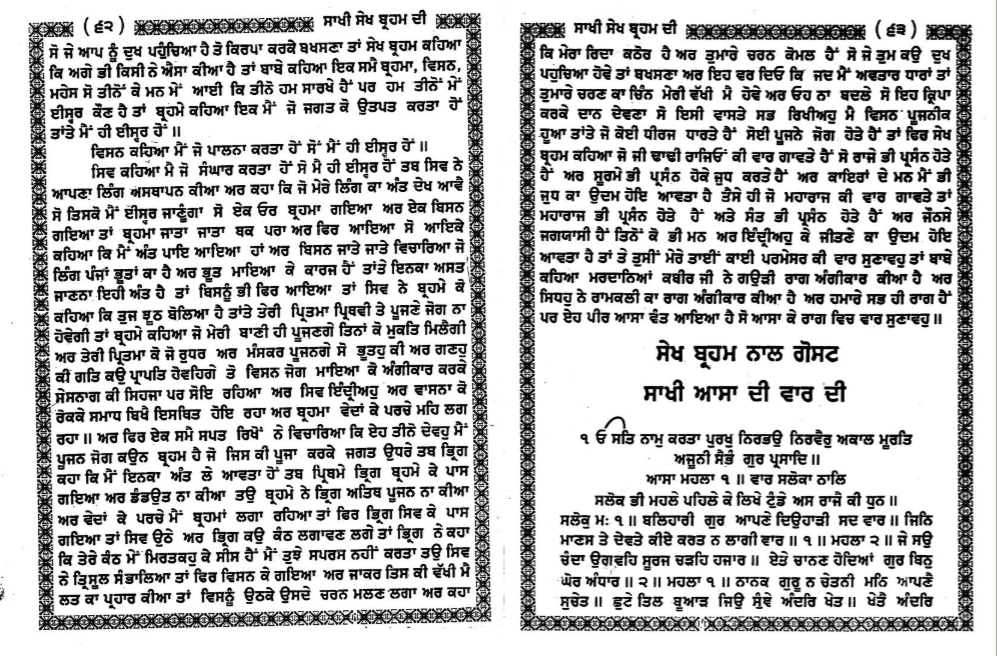
Puratan Janamsakhi
Bhai Mani Singh Shaheedh
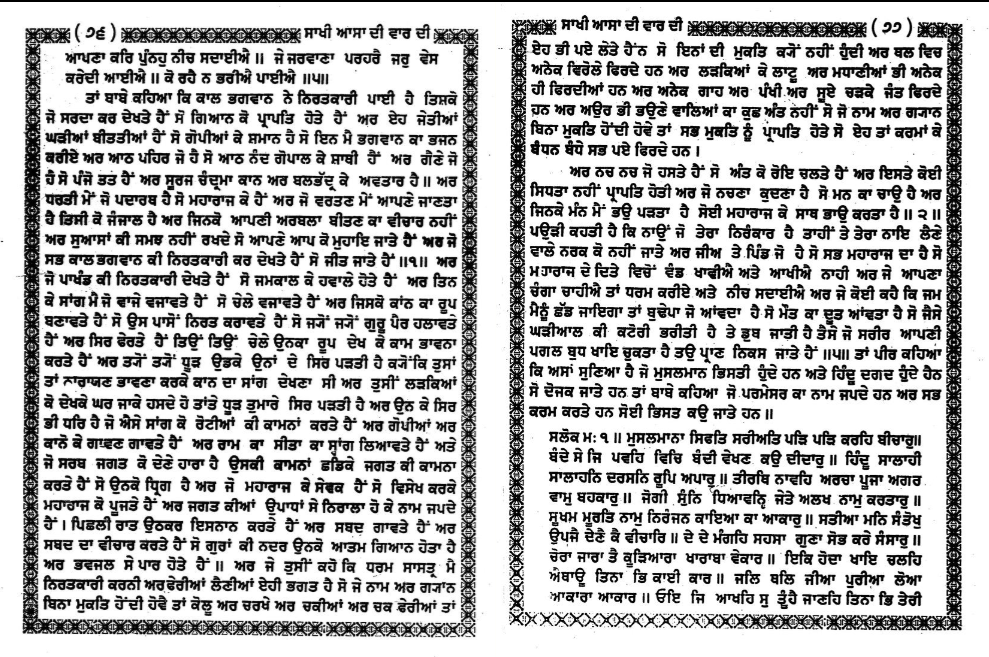
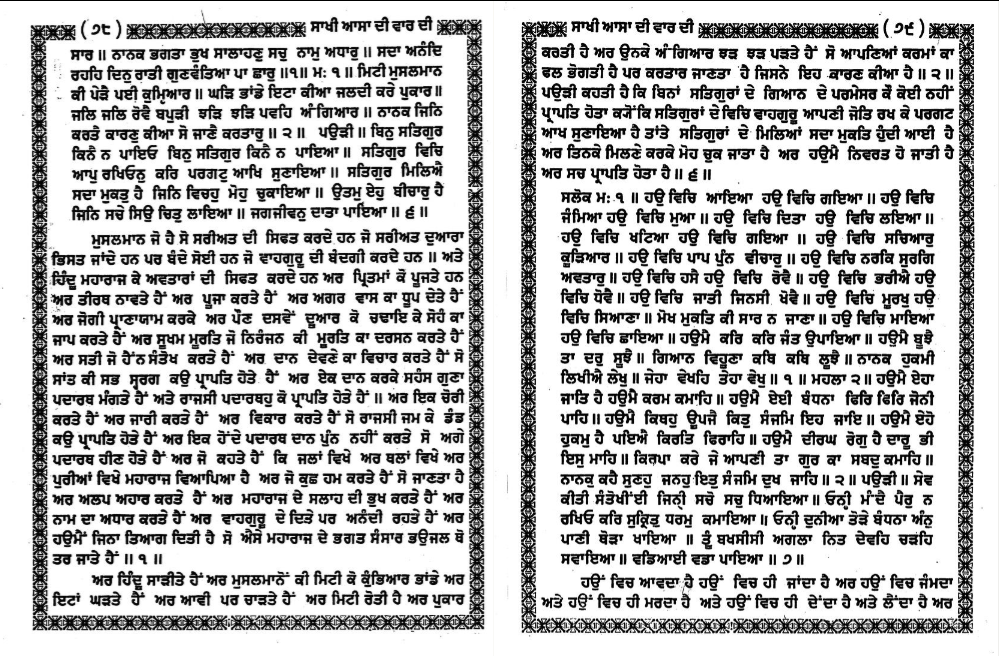
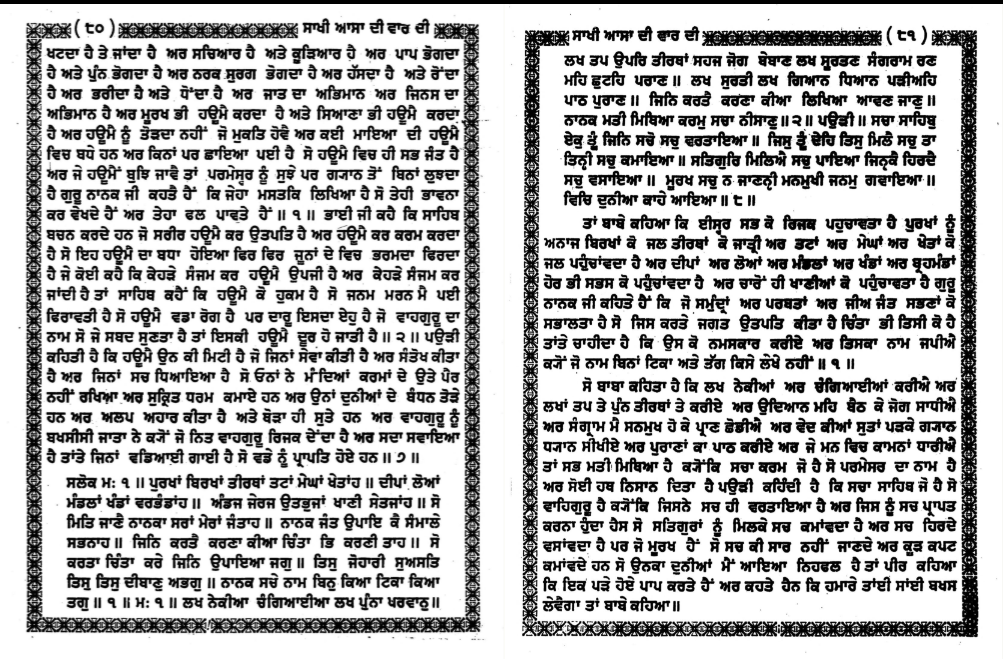
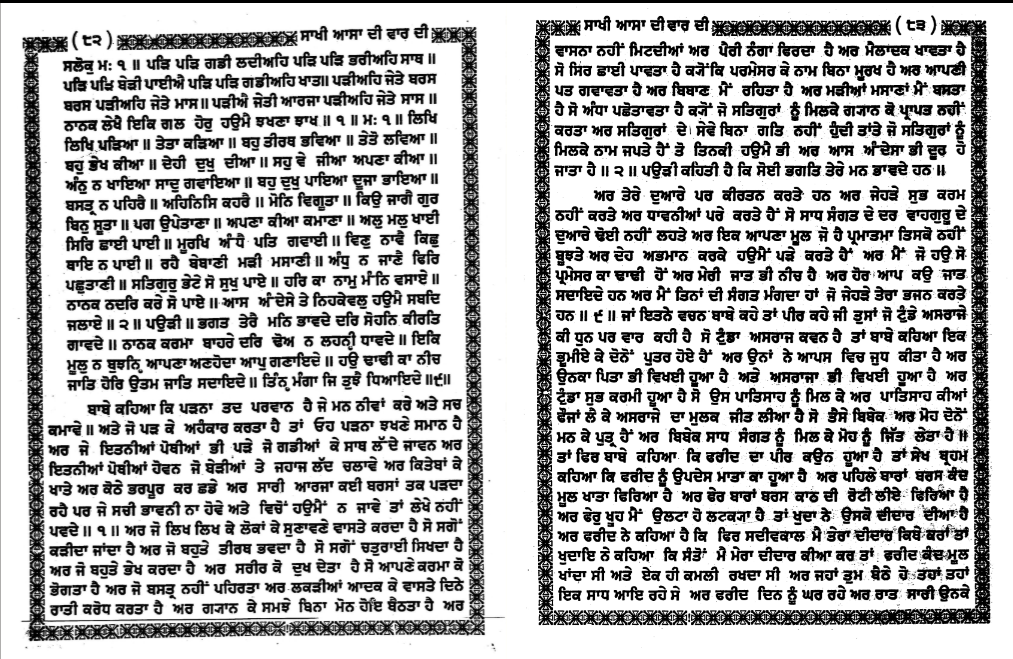
The newly translated manuscript pages reveal a profound philosophical exchange centered around the recitation of the revered Sikh composition, the Asa Di Vaar. In this rich discourse, Guru Nanak Dev Ji unravels the deep mysteries of the universe for Sheikh Brahm, emphasizing the infinite nature of a Creator who commands all earthly elements and celestial deities. The dialogue beautifully critiques the superficiality of mechanical religious rituals and the mere reading of countless texts, steering the spiritual focus instead toward genuine inner devotion and recognizing the awe-inspiring wonder (Vismad) of the divine order.
During this stage of their encounter, the spiritual connection between the Guru and the Sufi saint deepens as they explore the true path to liberation. As Mardana plays the rabab, the Guru instructs that the Asa Di Vaar be sung to the heroic, martial melody of “Tunda Asraja,” a fascinating choice he explains to the inquisitive Sheikh by recounting the historical legend behind the tune. A central pillar of their dialogue becomes the Guru’s teaching on the spiritual disease of ego (haumai), which he identifies as the root cause of human suffering and the endless cycle of reincarnation. Even when reflecting on the extreme physical austerities historically associated with the original Baba Farid, Guru Nanak gently guides Sheikh Brahm to understand that ultimate salvation is not achieved by punishing the body, but through profound humility, shedding the ego, and seeking the grace of the True Guru.
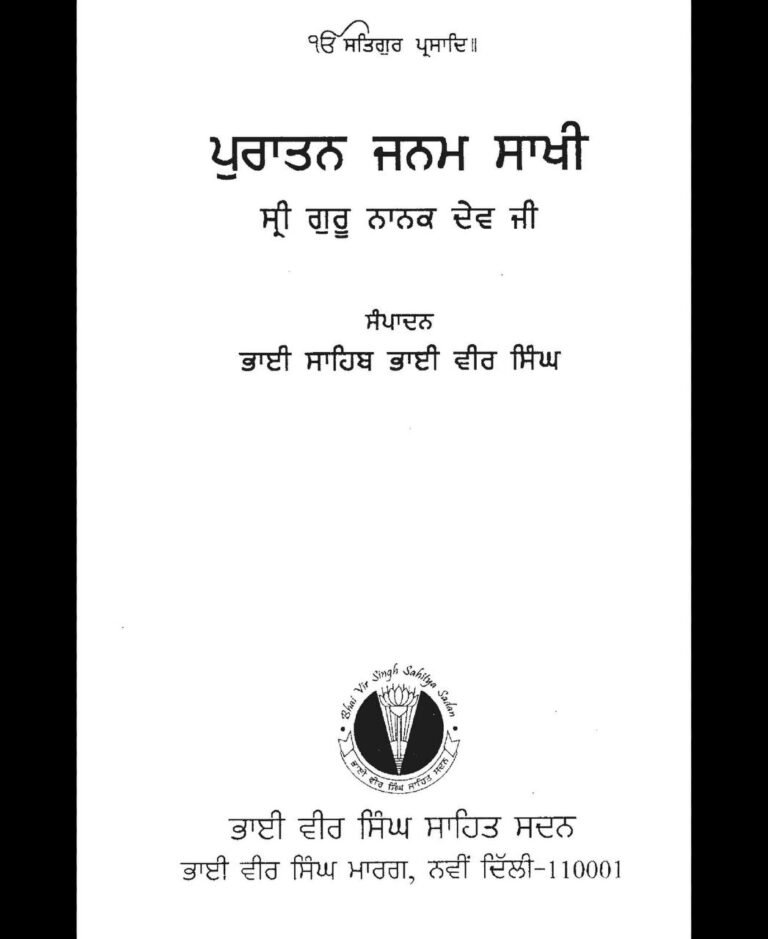
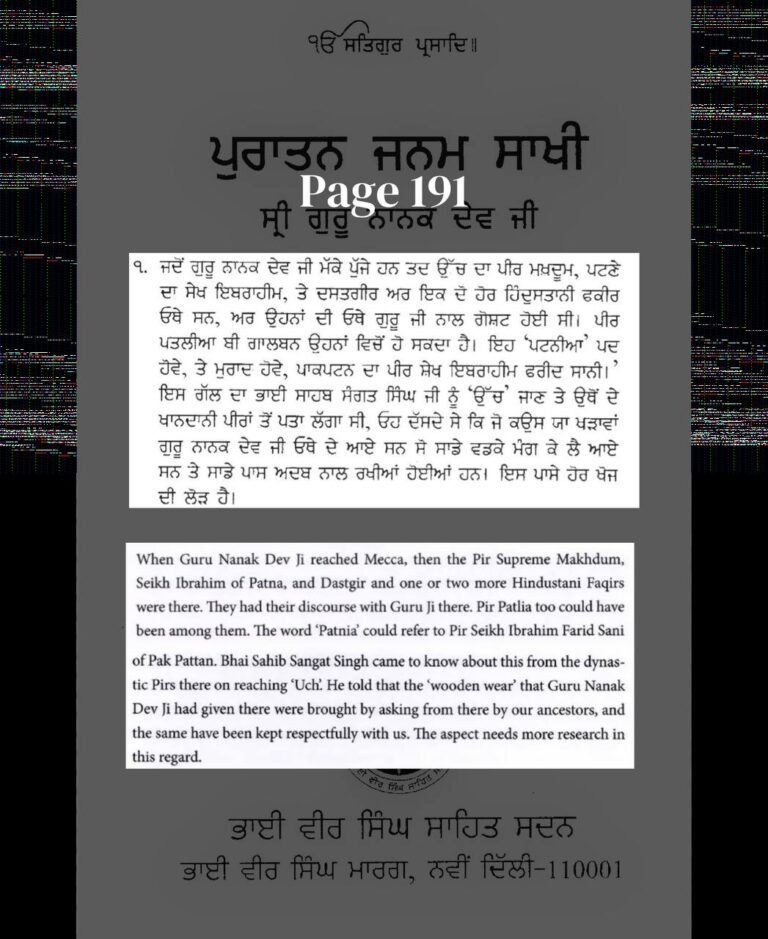
Puratan Janam Sakhi
Bhai Veer Singh
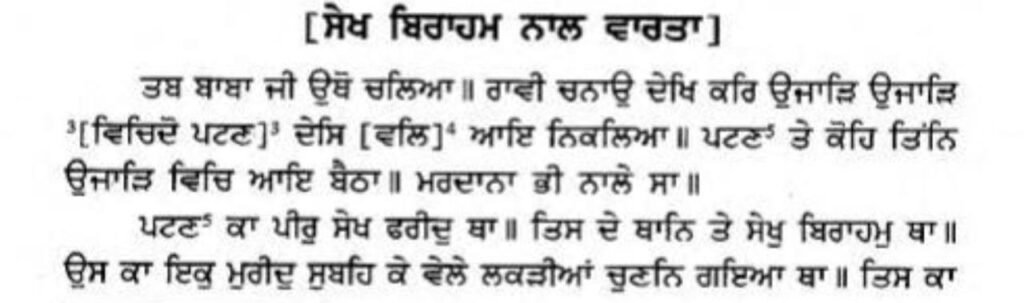

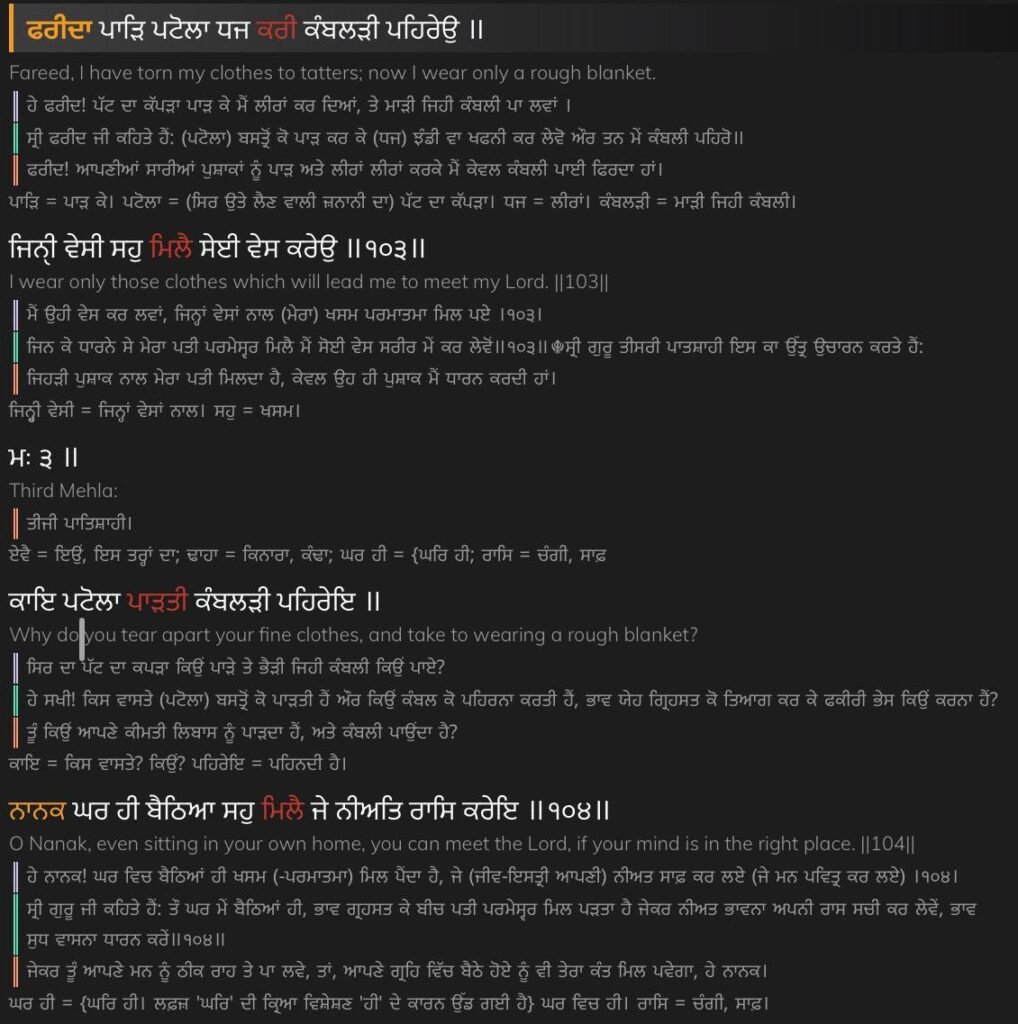
This is a direct conversation with Guru Nanak Dev Ji Maharaj and Sheikh Biraham, which we can say is Sheikh Ibrahmin. Look at all these connections with Farid Ji and Shri Guru Nanak Dev Ji.
The provided texts detail a historical encounter and spiritual dialogue between Guru Nanak Dev Ji and Sheikh Biraham (Sheikh Ibrahim), who occupied the spiritual seat of Sheikh Farid at Pattan. This conversation directly illustrates the deep textual and spiritual connection between the Sikh Gurus and the verses of Farid Ji.
During their meeting, Sheikh Biraham approaches Guru Nanak and questions him about the true nature of God amidst the differing beliefs of Hindus and Muslims, to which the Guru firmly affirms the absolute oneness of the Lord. The discourse then turns to the nature of devotion and physical renunciation. As part of their exchange, Sheikh Biraham recites a verse of Farid stating: “Fareed, I have torn my clothes to tatters; now I wear only a rough blanket… I wear only those clothes which will lead me to meet my Lord”.
In direct response to this idea that one must abandon worldly clothing or adopt a beggar’s garb to find God, a profound counter-verse is presented: “Why do you tear apart your fine clothes, and take to wearing a rough blanket? O Nanak, even sitting in your own home, you can meet the Lord, if your mind is in the right place”.
Interestingly, while the traditional narrative account (Janamsakhi) frames this counter-verse as Guru Nanak Dev Ji’s immediate, spoken reply to the Sheikh, the accompanying Gurbani translation explicitly identifies this specific response verse as being authored by the Third Sikh Guru, Guru Amar Das Ji (“Third Mehla”). This demonstrates how the original discourses between Guru Nanak and Sheikh Biraham introduced these Sufi concepts into the Sikh tradition, prompting successive Sikh Gurus to directly engage with, preserve, and respond to Farid Ji’s verses within the Guru Granth Sahib.


Guru Granth Sahib Darshan Nirnay
Giani Harbans Singh
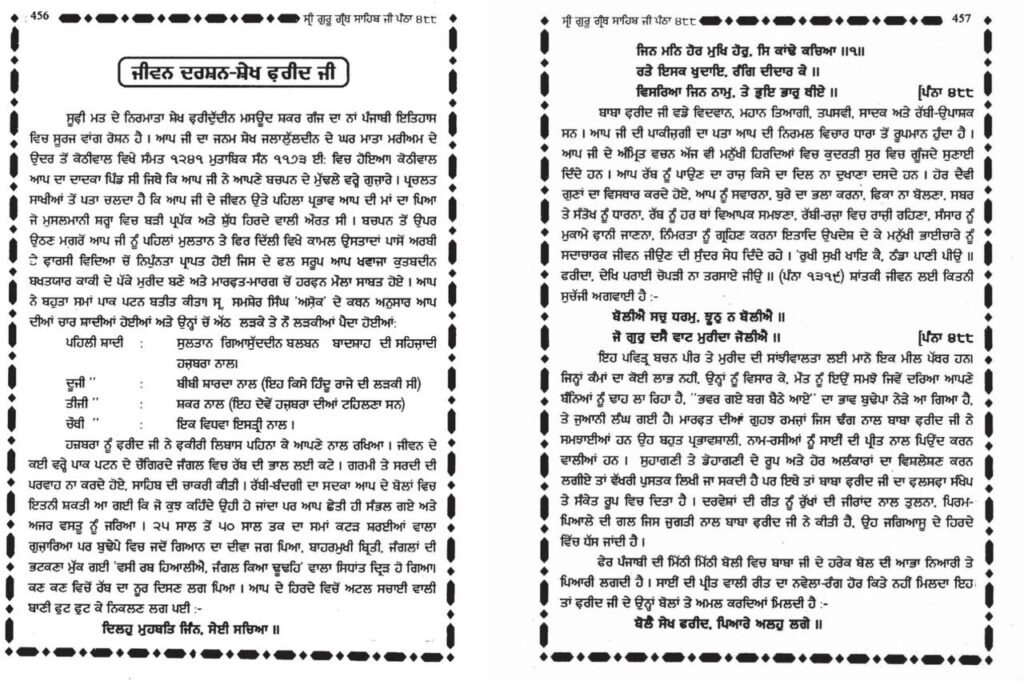
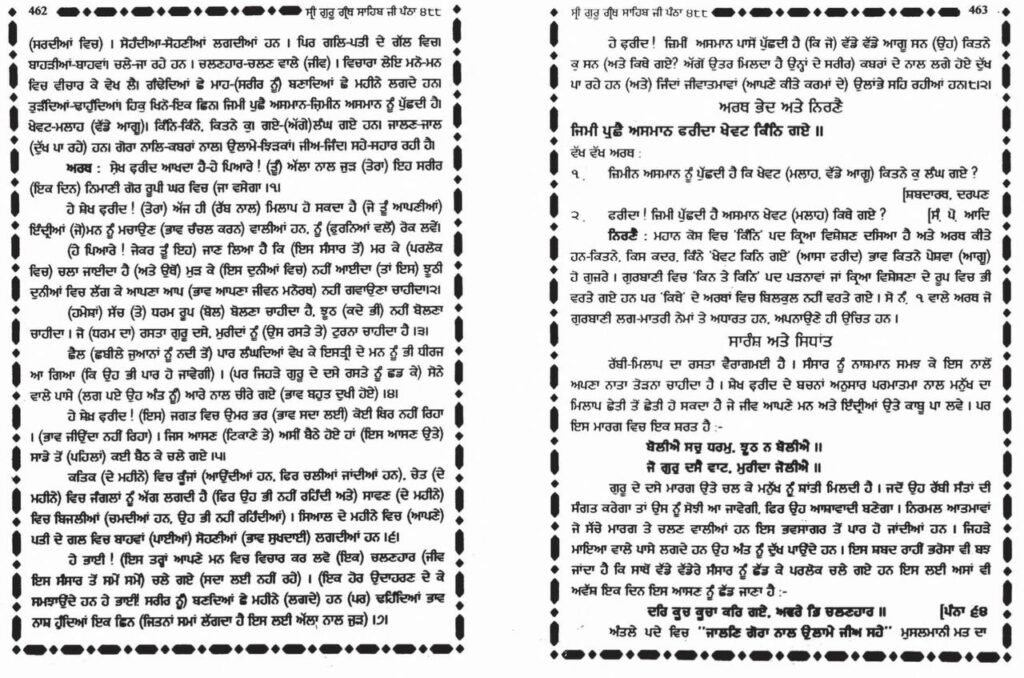
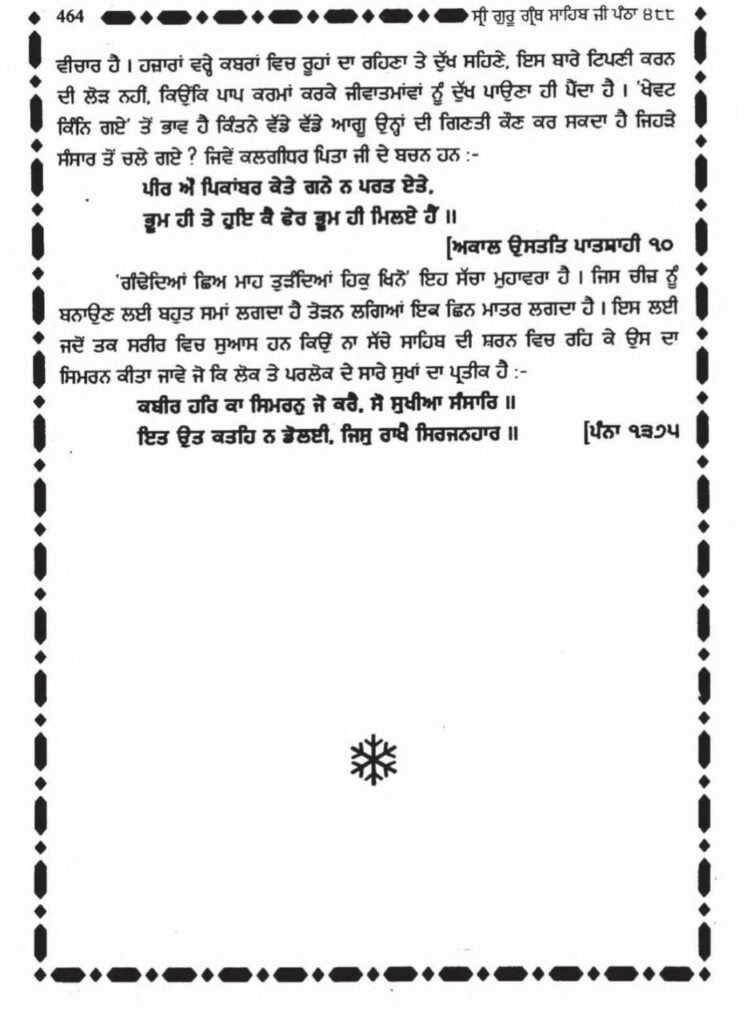
The provided text by Giani Harbans Singh offers a profound look into the life, philosophy, and poetic verses of Sheikh Farid Ji. It details his early life, including his birth in the village of Kothiwal, and his initial path of severe physical austerities, which involved spending years wandering in the jungles of Pakpattan seeking the Divine. Ultimately, Baba Farid realized that God resides within the heart (“ਵਸੀ ਰਬੁ ਹਿਆਲੀਐ”), shifting his focus from outward physical penance to inner devotion, humility, and universal love. The text also provides a detailed exegesis of his hymns in Raag Aasa, emphasizing that true spiritual seekers are those whose outward speech perfectly aligns with their genuine inner devotion to God. Baba Farid warns against the hypocrisy of harboring worldly desires in the heart while speaking hollow words of faith, constantly reminding mortals of the transient nature of life and urging them to speak the truth and follow the Guru’s path before their fragile bodies perish.
Regarding the historical encounter at Pakpattan, the text explicitly clarifies a common misconception by confirming that Guru Nanak Dev Ji engaged in a spiritual discourse (gost) with Sheikh Ibrahim (also known as Sheikh Brahm), the contemporary successor holding Baba Farid’s seat, rather than the original Sheikh Farid himself. The author affirms that while the meeting was with Sheikh Brahm, the verses preserved in the Sri Guru Granth Sahib are definitively the original compositions of Baba Farid Shakarganj. During their profound dialogue at Pakpattan, Guru Nanak and Sheikh Brahm exchanged deep philosophical verses. Guru Nanak sang verses declaring the absolute oneness of the Creator, questioning the futility of remembering any “second” or lesser entity since all mortals are subject to birth and death. Upon hearing Guru Nanak’s deeply moving explanations regarding how to navigate the world and recognize the divine order, Sheikh Brahm was thoroughly spiritually awakened, respectfully touching the Guru’s feet and dedicating himself entirely to the true worship of the Immortal Lord.